Learn culinary fundamentals that make everyday cooking predictable and enjoyable
Tofrvique is an online culinary skills course built for beginners and motivated home cooks. Work through practical lessons on mise en place, knife handling, heat control, seasoning, baking basics, and plating—so you can cook with confidence in your own kitchen.
Clear lessons, practical drills, and a structured learning path. No phone number required to register.
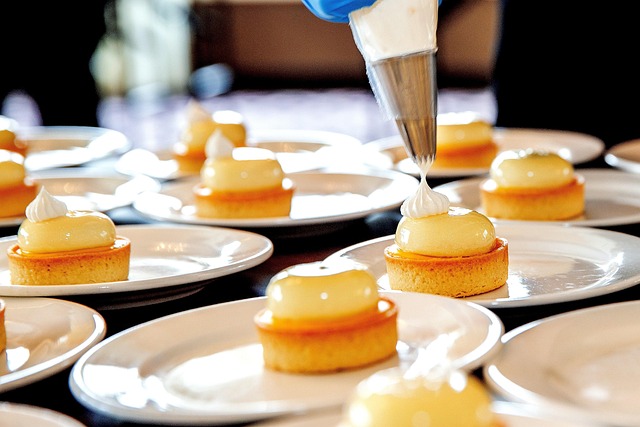
A practical path, not random recipes
Build repeatable technique: mise en place, heat management, and seasoning calibration.
What the course covers (and why it matters in the kitchen)
Good cooking usually looks effortless, but the unglamorous part is technique: how you set up a workstation, how you hold a knife, how you control a pan’s heat, and how you taste to adjust seasoning in small increments. This course is designed to teach those foundations in a way that transfers to any cuisine. Instead of chasing a long list of recipes, you’ll learn a reliable prep sequence (mise en place), safe handling and storage, ingredient selection, and the core cooking methods—sautéing, roasting, braising, steaming, and pan-searing.
You’ll also practice practical skills that make weeknight cooking smoother: meal planning, shopping strategy, batch prep, and leftovers that reheat well. Baking basics are included to demystify ratios, gluten development, and temperature control. Toward the end, the course shifts into international building blocks—stocks, spice profiles, sauces, and staple techniques—plus food presentation so plates look intentional, not accidental. Every module emphasizes safety, cleanliness, and repeatability, so progress feels steady.
Knife skills and prep flow
Learn safe grip, board setup, and efficient cuts (slice, dice, julienne) with a focus on consistency. You’ll build a prep order that reduces backtracking, keeps ingredients at the right temperature, and makes cooking feel controlled.
Heat control
Understand carryover cooking, preheat cues, and when to use gentle vs high heat. You’ll practice browning without burning and simmering without splitting sauces.
Kitchen safety and hygiene
Build routines for sanitation, food storage, and allergen awareness. Emphasis is placed on clean surfaces, safe temperatures, and cross-contamination prevention.
Baking basics that actually stick
Learn what changes texture: ratios, hydration, mixing intensity, fermentation time, and oven management. The goal is comfort with fundamentals, not a bakery catalogue.
International building blocks
Practice foundational flavor structures and staple methods across cuisines, with ingredient selection guidance that respects availability.
How learning works
The course is structured like a real kitchen workflow: set up, prep, cook, finish, then review. Each module includes a short explanation, a methodical demonstration, and a practical drill. The drills are designed to be repeated—because confidence comes from doing the same thing a few times and noticing the small details, like pan sound, sauce viscosity, and doneness cues.
-
01
Start with the fundamentals
Build a baseline: workstation setup, tools, knife grip, and safe handling. You’ll learn how chefs think about mise en place so prep stays calm and organized.
-
02
Practice core cooking methods
Work through the big methods and understand when to use each one. You’ll practice browning, deglazing, controlled simmering, and reducing for flavor concentration.
-
03
Add planning and ingredient strategy
Learn how to choose ingredients, store them properly, and plan meals that share components. This includes prep batching and ways to keep leftovers tasting intentional.
-
04
Finish with baking and presentation
Understand baking basics and plate with purpose: contrast, height, sauce placement, and texture. You’ll end with a practical capstone cooking plan you can repeat.
Client feedback and course fit
The most useful courses are the ones that help you notice what’s happening in the pan and on the cutting board. The feedback below reflects the kind of outcomes learners typically describe: more consistent prep, fewer kitchen mistakes, and a clearer sense of timing. Results still vary by practice time, kitchen setup, and the complexity of what you choose to cook.
“The lesson on heat control finally made pan timing click. I stopped crowding the pan and started preheating properly. Weeknight cooking feels calmer, and I can repeat the same results instead of guessing.”
Elena P., Home cook, Prague
Mini case study: improving prep consistency
Problem: A learner reported that meals took too long and results varied because ingredients were cut unevenly and added at random times. Approach: We focused on knife control drills (uniform dice), mise en place containers, and a simple cooking sequence with timers. Outcome: After two weeks of repeating the same drill, their average prep time dropped noticeably and meals became more consistent, especially on stir-fries and sheet-pan dinners.
Attribution: Tomas R., Beginner learner, Brno
“The storage and hygiene module was unexpectedly practical. The simple labeling habit and ‘clean as you go’ checklist reduced waste, and my fridge stopped turning into a mystery shelf.”
Marta K., Home cook, Warsaw
Mini case study: baking confidence
Problem: A learner could follow recipes but struggled to diagnose dense texture or uneven browning. Approach: We emphasized ratios, mixing intensity, and oven preheat verification, then repeated one dough and one batter to spot cause-and-effect. Outcome: The learner reported more predictable crumb structure and fewer surprises when substituting flour types or adjusting bake time.
Attribution: Julia S., Beginner baker, Vienna
Registration and contact
Use the registration form to request enrollment information. If you have a question about course fit, curriculum coverage, or accessibility, the contact form is here as well. We only ask for your name and email—no phone number fields.
Phone
+420 233 233 812Registered address
Nademlejnská 600/1, Hloubětín (Praha 9), 198 00 Praha, CzechiaResponse time
Typically within 1 business day.
Data handling
We use your name and email to respond to your request and provide course information. We do not sell personal data. You can read more in our Privacy Policy and Cookie Policy.
Registration form
Enter your details and we will email next steps. This form collects your first name, last name, and email address only.
Contact form
Use this form for questions about curriculum topics, learning outcomes, and accessibility. Include as much detail as you like, but avoid sensitive personal information.
FAQ
These are the most common questions about course content, pacing, and data privacy. If your question is more specific—equipment constraints, dietary needs, or learning accessibility—use the contact form above.
Disclaimer
This course is intended solely for educational purposes. It does not guarantee employment, professional certification, restaurant success, or specific personal results. Cooking outcomes vary based on ingredients, equipment, time, and individual practice. Always follow food safety guidance and use appropriate caution when handling knives, heat, and allergens.
Ready to learn in a structured way?
Register to receive course details and recommended starting steps for your current kitchen setup.